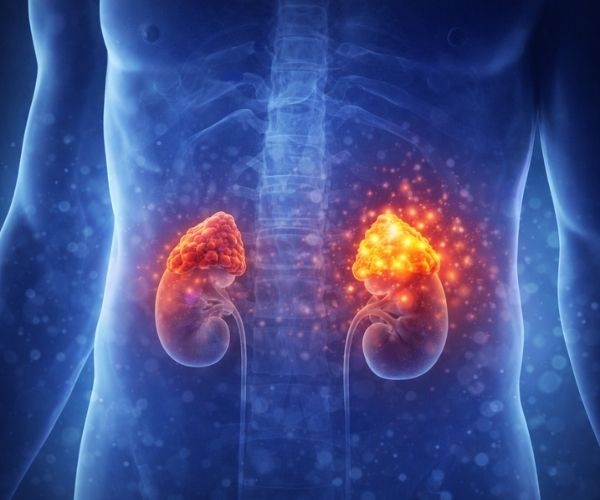
The adrenal glands (suprarenal glands) are small but vital organs located above the kidneys and play a crucial role in regulating the body’s hormonal balance. These glands produce hormones that influence many systems, including the stress response, blood pressure regulation, metabolism, and electrolyte balance.
Diseases affecting the adrenal glands may occur due to excessive or insufficient hormone production. Such conditions can have widespread effects on overall health and may present with a variety of clinical symptoms.
Diagnosis and Evaluation Process
A thorough clinical evaluation is essential in the diagnosis of adrenal gland diseases. Blood and urine tests to measure hormone levels form the foundation of the diagnostic process. In addition, imaging methods such as ultrasonography, computed tomography (CT), and magnetic resonance imaging (MRI) are used to examine the structure of the adrenal glands in detail.
This evaluation process helps determine the type of disease and allows for appropriate treatment planning.
Treatment Approach
Treatment of adrenal diseases is planned according to the type of condition, hormonal activity, and the patient’s overall health status. In some cases, medical treatment and regular follow-up are sufficient, while in others, surgical intervention may be required.
The primary goals of treatment are to restore hormonal balance, relieve disease-related symptoms, and prevent long-term health complications. An individualized approach is essential for each patient.
Follow-up and Monitoring
After treatment, patients are monitored through regular follow-up visits. Hormone levels, clinical findings, and overall health status are assessed to evaluate treatment effectiveness. When necessary, the treatment plan may be adjusted or supportive approaches may be added.
The aim is to achieve safe, sustainable, and patient-centered outcomes.


