Book an Appointment
📞 +90 532 794 21 50

Robotic Radical Prostatectomy for Prostate Cancer

Complete removal of the prostate gland with the Da Vinci robotic system, using a nerve-sparing technique to preserve urinary control and sexual function.

What is robotic radical prostatectomy?

This is a surgical method used in prostate cancer treatment when the cancer is confined within the prostate gland. During the operation, the prostate gland and seminal vesicles are removed entirely, and the bladder is then reconnected to the urethra.

The Da Vinci robotic system gives the surgeon a three-dimensional view magnified tenfold and instruments that rotate through a wider angle than the human wrist. This allows the neurovascular bundles around the prostate to be preserved with millimetric precision, shortening the time to regain urinary control and sexual function.

Diagnosis and Evaluation Process

Diagnosing prostate cancer involves evaluating PSA level, clinical examination findings, prostate biopsy and imaging together. The tumor's location within the prostate, whether it has spread beyond the capsule, and lymph node involvement are analyzed in detail to determine the disease's stage.

This evaluation process guides the suitability of robotic surgery and the scope of the surgical plan.
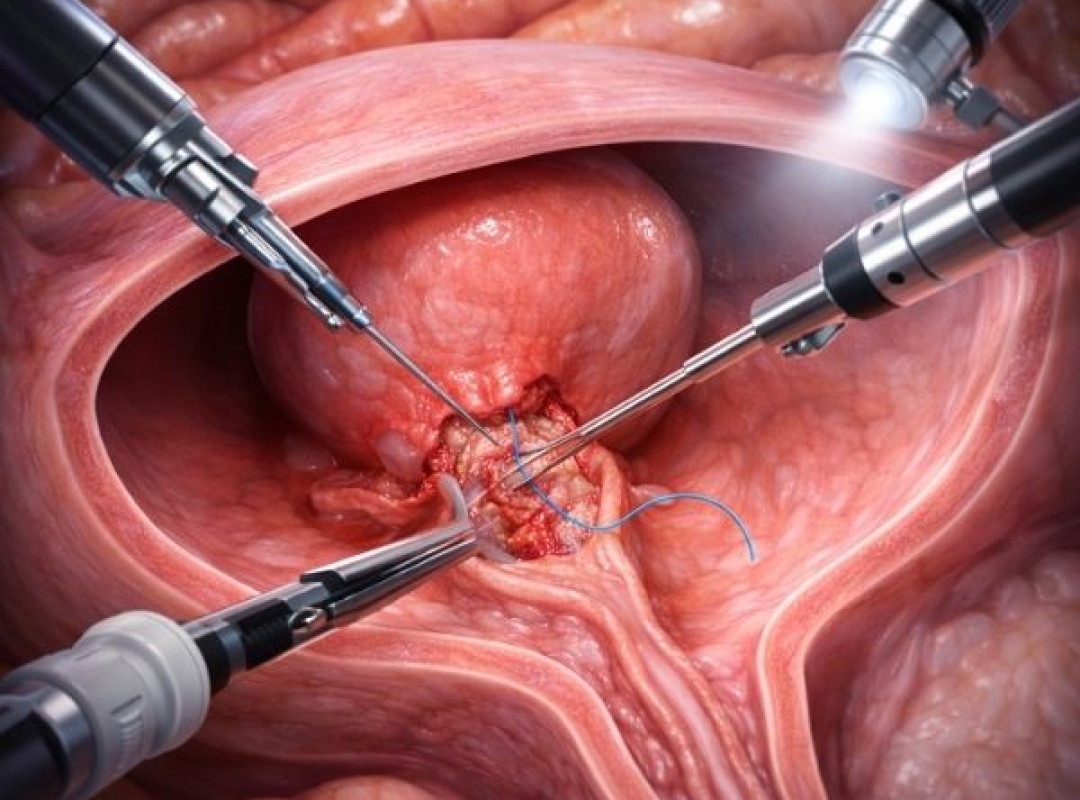
Prostate surgery with robotic surgery

Robotic Surgical Approach

Robotic surgery for prostate cancer allows more precise intervention on the nerve and vessel structures around the prostate thanks to high-resolution 3D visualization and enhanced surgical dexterity. This allows the surgical procedure to be performed in a more controlled and safe manner.

The robotic approach can provide advantages such as less bleeding, a shorter hospital stay and a faster recovery. With proper patient selection, the aim is to preserve functional outcomes alongside oncologic control.

Post-Treatment Follow-up

After surgery, patients are placed on a regular follow-up program. The course of the disease is closely monitored with PSA checks, clinical assessments and necessary imaging. Supportive or complementary treatment approaches may be planned if needed.

The main goal of the treatment process is to effectively control the cancer, reduce the risk of recurrence and preserve the patient's quality of life.

Who is it suitable for?

Patients whose cancer is confined to the prostate gland (localized)
Those with a life expectancy of more than 10 years
Those with no condition preventing general anesthesia
Those found to have disease progression during active surveillance

How is the surgery performed?

1
Preparation and anesthesia
General anesthesia is administered. 5–6 ports, 8 mm in diameter, are opened in the abdomen; the incisions are not enlarged during the surgery.
2
Placement of the robotic arms
The camera and instrument arms are attached to the ports. The surgeon takes control of the system from the console in the operating room.
3
Nerve-sparing dissection
The neurovascular bundles on both sides of the prostate are carefully dissected and preserved when the cancer's extent allows. This step is decisive for sexual function after surgery.
4
Removal of the prostate and anastomosis
The prostate and seminal vesicles are removed. The bladder neck is sutured to the urethra (anastomosis) and a urinary catheter is placed.
5
Lymph node dissection
If the risk group requires it, the pelvic lymph nodes are also removed in the same session and sent for pathological examination.

Comparison of methods

Open surgeryLaparoscopicRobotic
IncisionA single 12–15 cm incision5 × 1 cm5–6 × 8 mm
Blood lossHighMediumLow
Hospital stay4–6 days2–3 days1–2 days
VisionDirect visualizationTwo-dimensional screenThree-dimensional view with 10x magnification
Nerve-sparing precisionLimitedGoodHighest

After the surgery

First 24 hours
The patient is mobilized and moved to a liquid diet.
Day 1–2
Discharge; the patient returns home with a urinary catheter.
Day 5–7
The catheter is removed, and the pathology result is evaluated together with it.
Week 2–3
The patient returns to a desk job and starts pelvic floor exercises.

Common questions about this treatment

Temporary urinary incontinence can occur in the first weeks after the catheter is removed. With pelvic floor exercises, most patients achieve full control within 3–6 months.
If the extent of the cancer allows, a nerve-sparing technique is used. Recovery happens gradually; the patient's pre-operative condition, age and other health conditions affect the process. Supportive treatments are planned when needed.
Since the entire prostate is removed, the PSA level is expected to drop to an undetectable level. PSA is checked every three months in the first year, and afterward at intervals set by your physician.
Oncologic success is related to the cancer's stage and the surgeon's experience. The robotic system allows surgical margins to be determined more precisely, but the treatment decision is evaluated separately for each patient.
It averages 2–3 hours. The time can be somewhat longer when lymph node dissection is added.
Share your test results and let us review them together
Bring your pathology and imaging results so we can discuss a treatment plan tailored to you.
Book an Appointment